OEM/ODM technical knitwear category

Merino Wool Apparel Manufacturer

We manufacture custom Merino wool clothing for base-layer tops and bottoms, underwear, T-shirts, hoodies, mid-layers, balaclavas, neck warmers, and other performance programs. Each project is developed around the buyer's composition, micron, yarn, GSM, knit structure, fit, construction, and testing requirements.

Program fit

Is Athletik a fit for your Merino wool program?

Athletik is a China-based OEM/ODM manufacturer for Merino wool apparel, with production in Zhangjiagang. Its program is best suited to established and mid-sized apparel and outdoor brands, wholesalers, and importers developing specification-led base layers, underwear, mid-layers, or accessories with defined composition, micron, GSM, knit structure, fit, construction, care, and testing requirements.

Best suited to
Performance, outdoor, and Merino wool brands, wholesalers, and importers
Program scope
Merino wool base layers, underwear, mid-layers, and textile accessories
Commercial starting point
500 pieces per style

Product examples

Merino wool product programs

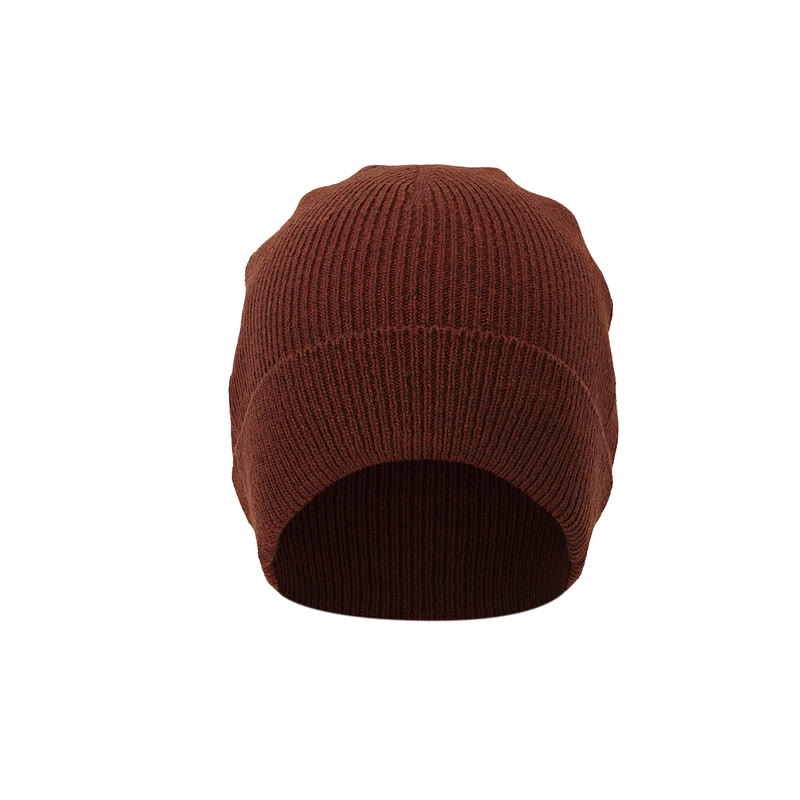
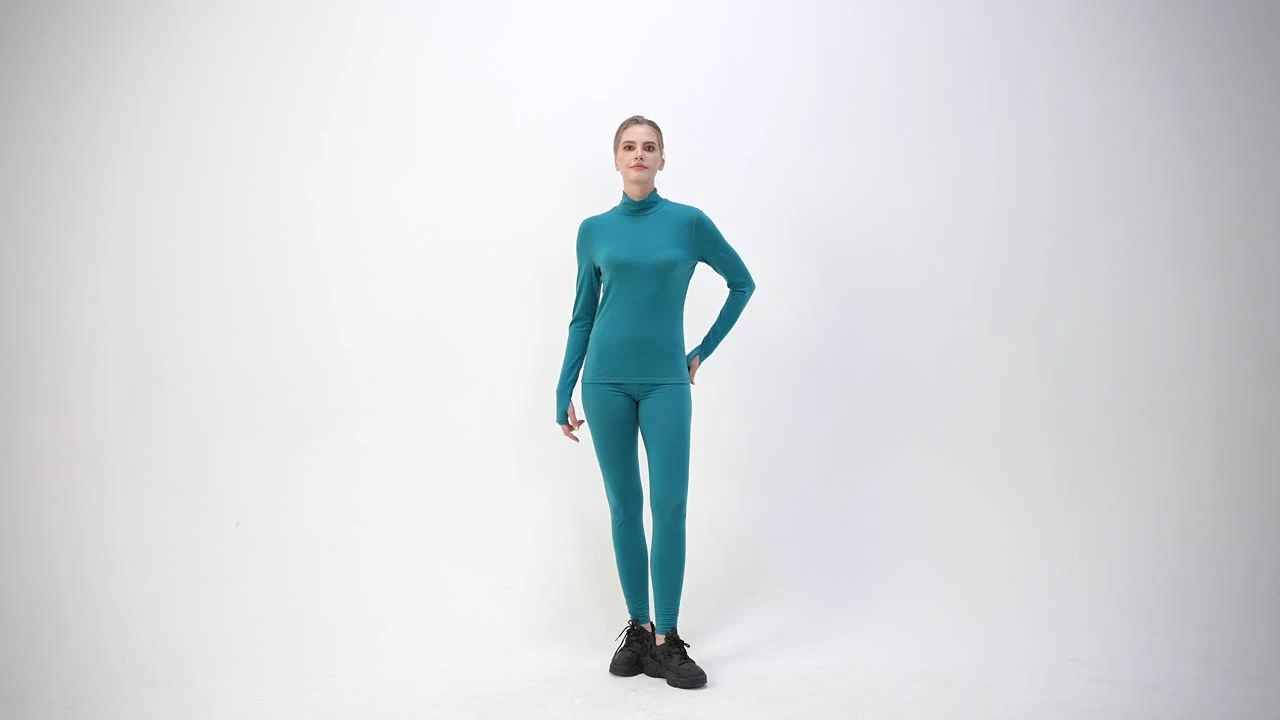
Representative garment and accessory formats from Merino wool development programs.

Drag the gallery or use the arrows to view more products. Select a photo to enlarge it.

Product Showcase

Merino wool product examples

View all product examples

Procurement entry points

Merino wool programs for specific layering needs

Start the quotation with the product role and intended climate, then define the composition, micron, GSM, knit structure, fit, construction, and testing requirements for the program.

Underwear program

Performance Merino Underwear

Recommended starting range 140–160 GSM

Material direction: Merino wool / nylon / elastane

For next-to-skin briefs, trunks, leggings, and tops. Define fit, stretch/recovery, waistband construction, seam placement, care, and testing requirements.

Lightweight program

Lightweight Merino Base Layer

Recommended starting range 150–175 GSM

Material direction: Merino wool / nylon or a Merino blend

For all-season base-layer tops and bottoms. Define composition, micron, knit structure, stretch, fit, seam placement, and target climate.

Midweight program

Midweight Merino Base Layer

Recommended starting range 195–210 GSM

Material direction: Merino wool or a Merino wool / synthetic blend

For cooler-weather base-layer tops and bottoms. Define warmth target, micron, knit structure, stretch/recovery, fit, construction, and care requirements.

Cold-weather program

Cold-Weather Thermal

Recommended starting range 240–260 GSM

Material direction: Merino wool or a technical Merino blend

For cold-weather base layers and thermal sets. Define insulation target, moisture management, layering fit, seam selection, durability, and testing requirements.

Product range

Explore what we manufacture

Model wearing a printed camouflage Merino wool base-layer set
01

Merino wool base layers and underwear

Base-layer tops and bottoms, thermal underwear, and other next-to-skin styles can be developed in 100% Merino wool or buyer-specified blends. Composition, micron, GSM, fit, seam placement, and care requirements are set for the intended activity and climate.

Model wearing a blue Merino-blend hooded performance top
02

Merino wool T-shirts, hoodies, and mid-layers

Lightweight T-shirts through warmer hooded and mid-layer styles can be developed for outdoor, training, travel, and everyday programs. The fabric and garment are balanced for the required warmth, hand feel, stretch, recovery, and durability.

Close-up of a black and white jacquard-patterned Merino wool top
03

Jacquard, print, and accessory development

Programs can include knitted-in jacquard patterns, all-over or placement prints, balaclavas, neck warmers, and related performance accessories. A jacquard pattern is built into the fabric rather than applied as a surface print, so there is no print layer to crack or peel.

Merino wool yarn cones, knit swatches, fibers, and gauge tools
04

Merino yarn sourcing and fabric development

Buyers can specify composition, micron, yarn count, GSM, and structures such as single jersey, interlock, rib, and jacquard. Finer Merino wool below about 19.5 microns is a common starting point for next-to-skin products, but the final specification is selected for the required hand feel, warmth, durability, stretch, and care performance.

Development inputs

Define the Merino fiber, fabric, and garment before sampling

Send the product type, intended activity and climate, target market, composition, micron, yarn count, GSM, knit structure, stretch and recovery targets, fit, seam map, artwork, branding, care requirements, test methods and acceptance criteria, order quantity, and tech pack or reference sample. We can develop 100% Merino wool and blended programs in single jersey, interlock, rib, jacquard, and other project-specific structures, with FLATLOCK or ACTIVESEAM where appropriate. Colorfastness, shrinkage, pilling, GSM, fiber composition, and stretch/recovery can be checked in-house; customer-specified third-party testing can be arranged when required. Final development and testing terms are confirmed for the project.

Program execution

Merino wool customization and quality checkpoints

Material, garment, and test requirements are recorded in the current specification and approved sample so development and bulk production can be reviewed against the same criteria.

Program customization

Merino wool clothing programs are developed around the buyer's end use, target climate, fit, care requirements, and approved specification.

  • Base-layer tops and bottoms, underwear, T-shirts, hoodies, mid-layers, balaclavas, and neck warmers
  • 100% Merino wool and blended compositions by buyer specification
  • Micron, yarn count, GSM, and knit structure selected for the intended use
  • FLATLOCK, ACTIVESEAM, jacquard, print, branding, and trim options where specified

Merino wool quality checkpoints

The quality plan is set against the approved material and garment specification, sample, test method, and buyer acceptance criteria.

  • Fiber composition, GSM, colorfastness, shrinkage, and pilling
  • Stretch and recovery for blended performance fabrics
  • Measurements, seam appearance, and construction against the approved sample
  • Customer-specified third-party testing when required
Review the Garment Quality Control Checklist

Buyer questions

Questions buyers ask before starting a Merino wool program

Can Athletik manufacture Merino wool base layers with industrial FLATLOCK, and what is the MOQ?

Yes. Athletik manufactures Merino wool base-layer tops and bottoms on an OEM/ODM basis and operates more than 30 Yamato FLATLOCK machines for four-needle, six-thread stitch type 607 construction. FLATLOCK is assigned by seam location, fabric, stretch requirements, and the approved sample rather than applied automatically to every seam. The public garment MOQ is 500 pieces per style; material, color, size allocation, sampling, testing, and final production terms are confirmed in the project quotation.

What should a buyer provide before Merino sampling?

Provide the garment type, intended activity and climate, target market, composition, micron, yarn count, GSM, knit structure, fit and seam requirements, artwork and branding, care requirements, testing criteria, estimated quantity, and tech pack or reference sample.

How should micron and GSM be selected?

Finer Merino wool below about 19.5 microns is commonly used for next-to-skin base layers and underwear, but there is no single micron or GSM for every program. The final specification should balance hand feel, warmth, durability, stretch, target climate, and care requirements.

Which Merino wool requirements can be tested?

Colorfastness, shrinkage, pilling, GSM, fiber composition, and stretch/recovery can be checked in-house against the agreed method and acceptance criteria. Customer-specified third-party testing can be arranged when required.

Four-step workflow

From Merino wool brief to delivered order

Each program moves through defined review and approval points. Exact timing, testing scope, commercial terms, and delivery responsibilities are confirmed in the project quotation.

  1. Project Brief & Quotation

    Share the product type, target use, material specification, fit, artwork, testing needs, quantity, timing, and delivery destination. We review feasibility, missing inputs, and quotation variables.

  2. Development, Sampling & Approval

    Material, color, knit structure, construction, trims, and the sample route are developed against the brief. Material, fit, measurements, test criteria, and packaging are approved before final order terms are confirmed. Typical sampling is 1-2 weeks after the required inputs are aligned, depending on style and material complexity.

  3. Bulk Production & Quality Control

    Bulk production follows the approved sample and current specification. Incoming material, in-line and final garment checks, together with agreed testing, are reviewed before shipment release.

  4. Export & Delivery

    Packing instructions, standard export documents, freight booking information, and delivery scope are aligned before dispatch. FOB and DDP terms are available by project.

Review the full OEM/ODM service workflow

Start a technical order discussion

What helps us review your program

Share the commercial and technical inputs available now. A tech pack is useful, but not required for the first review.

  • Product brief Product type, construction, fabric or GSM, target market.
  • Order scope Quantity per style and required timeline.
  • Tech pack status Ready to share, in development, or not yet available.
  • Sales email [email protected]
inquiry form

We use the information you provide to respond to your inquiry. Privacy Policy